
Mental Health EHR Software for Therapists and Psychiatrists
Deliver better care without being slowed by documentation or billing. OmniMD’s Mental Health EHR improves therapy and psychiatric workflows, telepsychiatry, patient engagement, and billing, all in one secure platform.
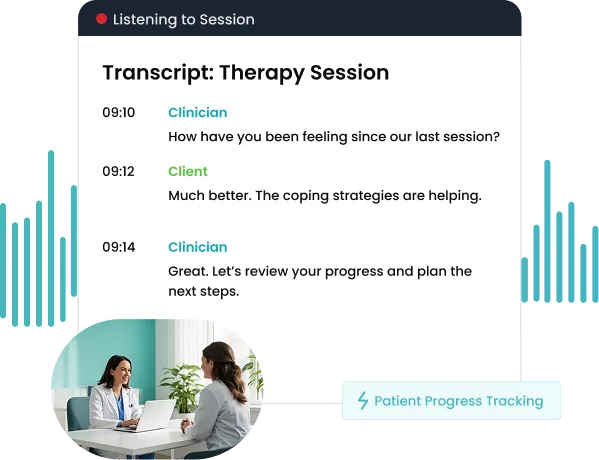
Built for Modern Behavioral Health Practices
Mental health care requires specialized documentation, outcome tracking, and strict privacy. OmniMD supports psychiatrists, therapists, and care teams with tools for therapy notes, assessments, telepsychiatry, and risk monitoring, fully HIPAA and 42 CFR Part 2 compliant.
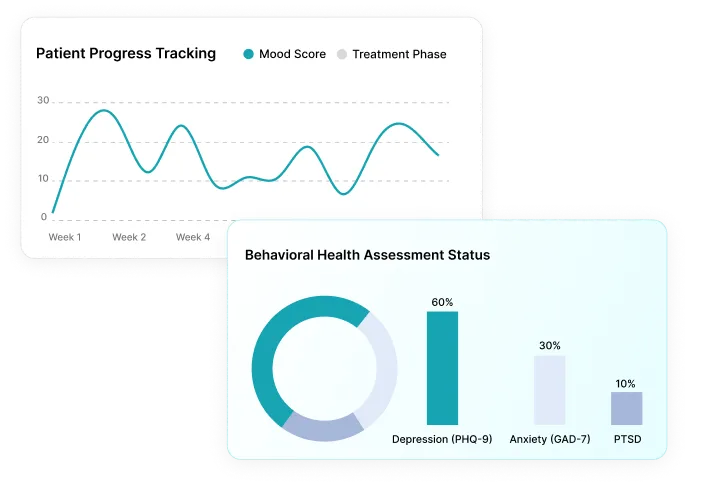
Core Behavioral Health EHR Capabilities

Adaptive therapy and psychiatry documentation

Behavioral health billing workflows

Integrated telepsychiatry

Long term treatment and care management

Outcome tracking & analytics
What practices have experienced
Designed for Real-World Mental Health
OmniMD unifies therapy, psychiatry, and behavioral health workflows for therapists, psychiatrists, PMHNPs, counseling centers, and clinics—trusted by 2,500+ providers nationwide.
 Behavioral Health EHR
 Document therapy sessions,
psychiatric visits, and treatment plans
Document therapy sessions,
psychiatric visits, and treatment plans- Track PHQ-9, GAD-7, and assessments
- Protect psychotherapy notes (HIPAA
& 42 CFR Part 2)
- Improve billing and reduce claim
errors
 Document therapy sessions,
psychiatric visits, and treatment plans
Therapy Documentation
Document therapy sessions,
psychiatric visits, and treatment plans
Therapy Documentation
- Customizable SOAP, DAP, BIRP, and
narrative templates
- Longitudinal tracking of symptoms
and assessments
- Voice dictation and auto-population
of recurring data
Billing Software
- Behavioral health CPT codes & payer
rules
- Group therapy billing
- Authorization and claim validation
- Integrated reporting
Telepsychiatry
- HIPAA-compliant virtual sessions
- Access to records & assessments
during visits
- Secure patient portal
- Unified in-person and virtual
workflows
Outcome Tracking & Analytics
- Visual dashboards for trends
- Alerts for missed follow-ups or
high risk patients
- Operational and clinical
performance insights
Patient Engagement Tools
- Automated reminders & follow-ups
- Secure messaging
- Digital intake and treatment plan
sharing
AI Medical Scribe
- Real-time or post-session AI note
generation
- Structured output aligned with
SOAP, DAP, BIRP
- HIPAA-compliant, provider-reviewed
AI Front Desk & Coordination
- Intelligent scheduling and
rescheduling
- Automated reminders and insurance
verification
- Digital intake assistance and
portal communication
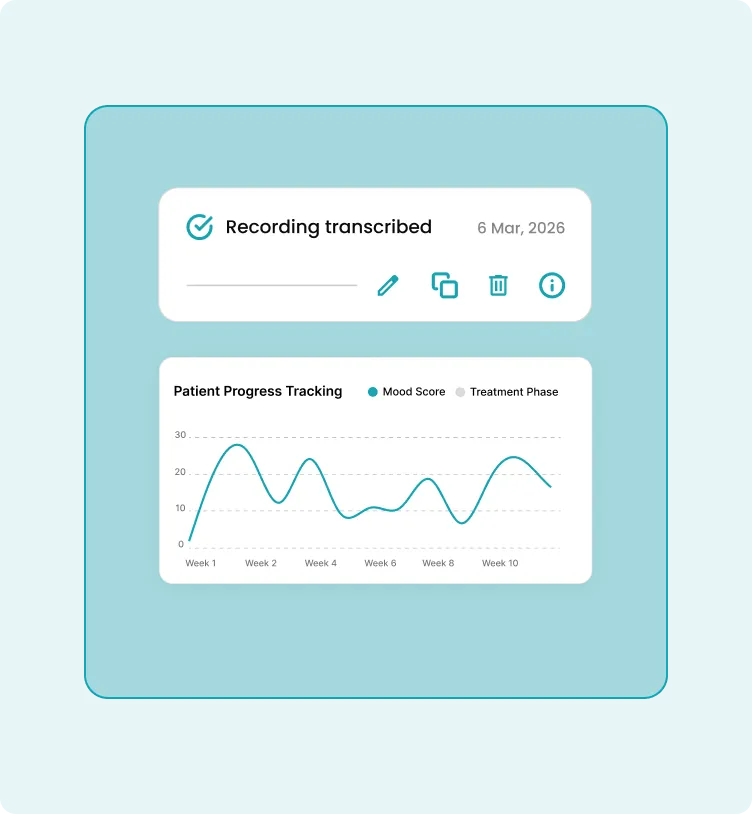
Workflow Automation
Online patient intake & screening
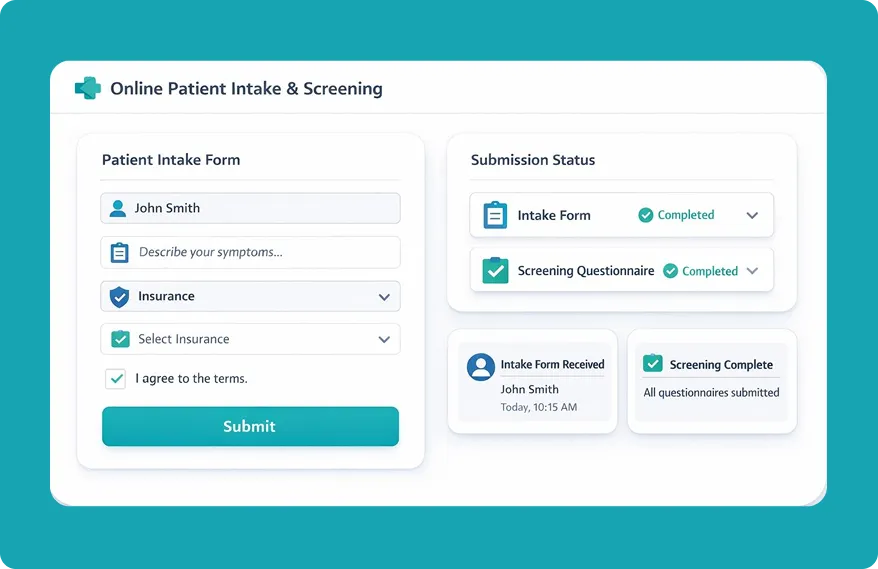
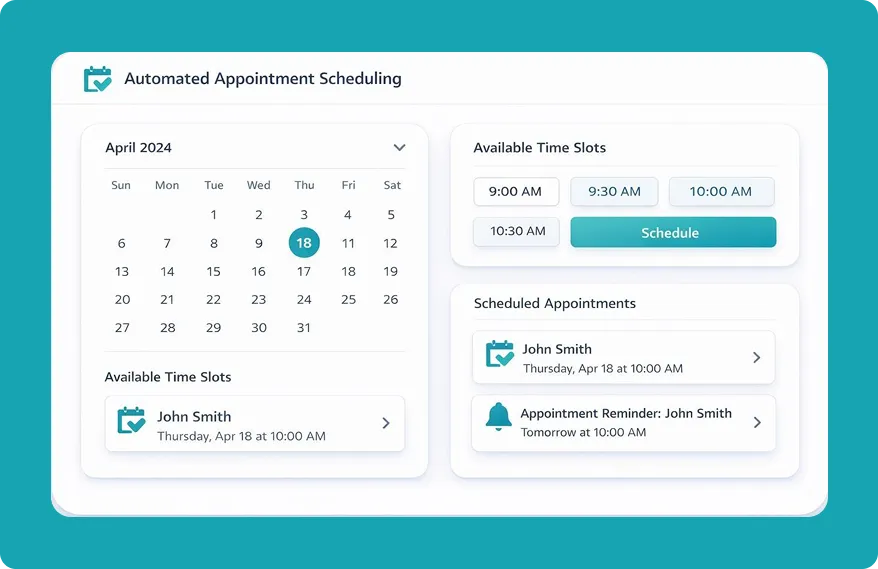
Automated appointment scheduling
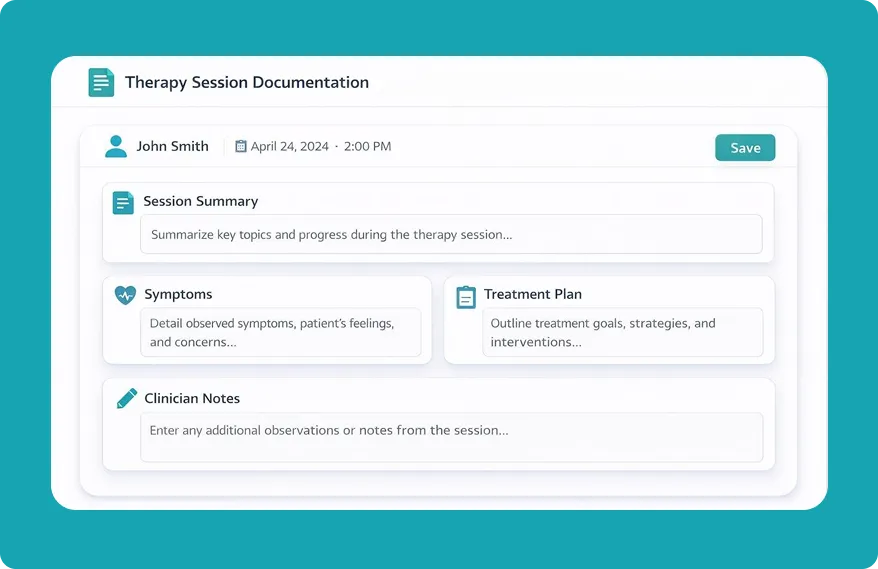
Therapy session documentation
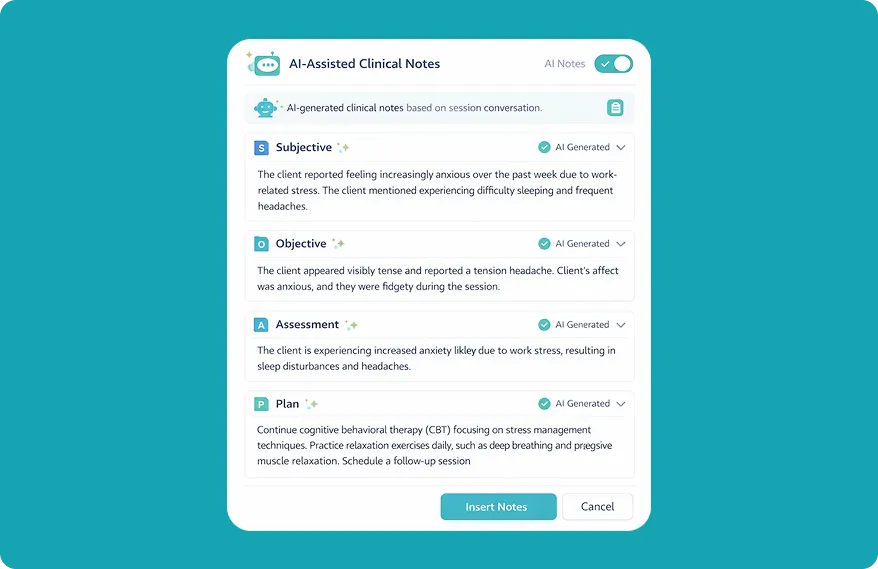
AI‑assisted notes
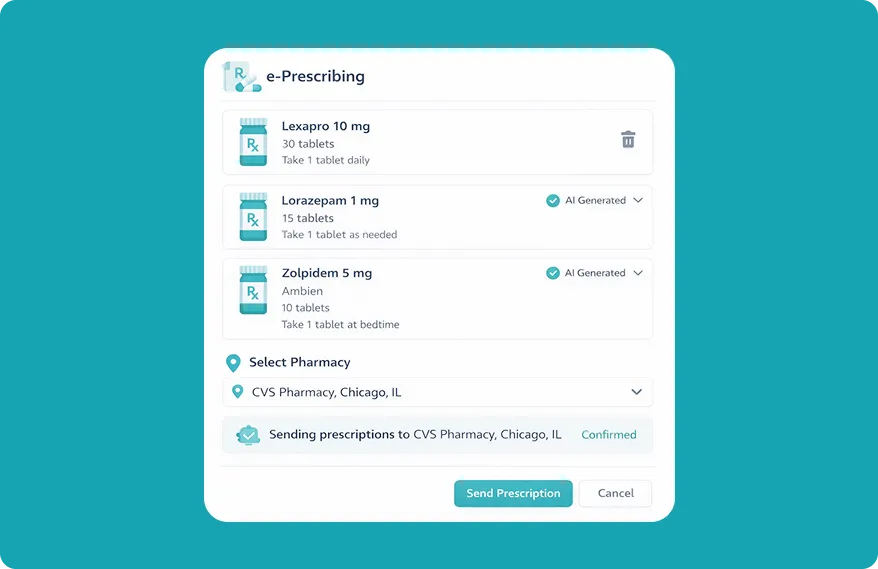
e‑Prescribing
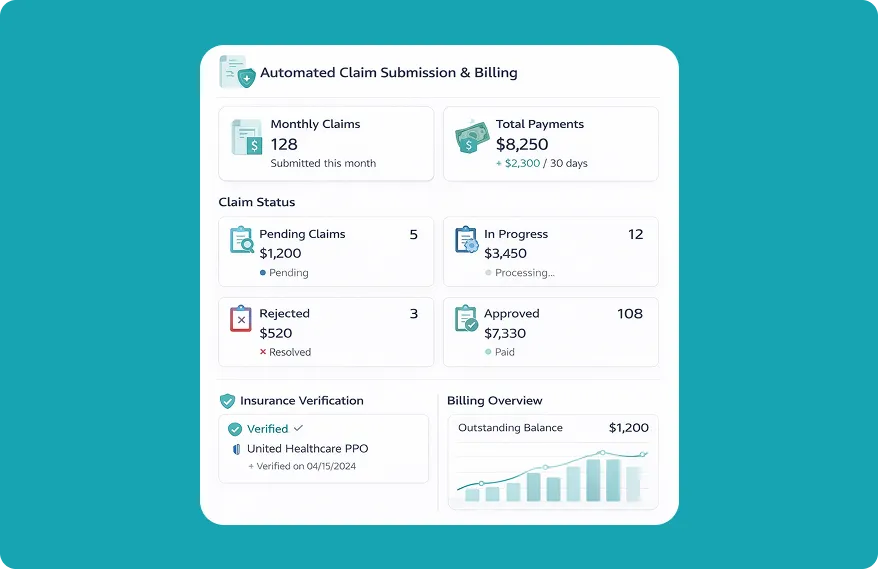
Automated claim submission & real‑time billing workflows
Compliance & Security
HIPAA‑compliant security and encryption
42 CFR Part 2 protections for psychotherapy notes
Role‑based access control
Audit trails and secure data logging
Who Do We Serve?

Psychiatrists

Psychologists

Licensed therapists

Counselors

PMHNPs

Behavioral health clinics

Addiction treatment centers

Connected Integrations
Performance Metrics
29-day
average accounts receivable cycle — improved cash flow cycles
20%
fewer working claim rejections

97%
first‑pass clean claim ratio — fewer denials and faster rejections resolution

20%
Up to 20% increase in revenue through optimized coding and denial management
Outcomes
Real Stories From Medical Practices Thriving With OmniMD
After comparing many EMRs, I determined that OmniMD was the best software for my new clinic. I run a high volume family practice clinic. OmniMD is used for scheduling, reminder calls, medical records, insurance and patient billing. OmniMD is a critical tool for my practice. It is a very good software, but I am also very pleased with the level of service OmniMD provides with their technical support team.
Our practice has been very pleased with the outcomes of your billing and collection services. You have been both informative and patient as we continue to become a more efficient practice. We have recognized that collections have been improved due to your diligence and tenacity. Thank you for your kindness and hard work.
OmniMD’s EHR and Billing software has truly streamlined our operations at Solid Sobriety. Their billing tools have improved our efficiency, significantly reducing errors and boosting revenue. What stands out most is their exceptional customer support- the team is always available, knowledgeable, and proactive in solving any challenges we face. We couldn’t be happier with the partnership.
I have been a practitioner for over a decade and worked various EMR programs in the past by far OmniMD surpasses all my expectations. It’s easy to navigate and your entire note in one page with only a few clicks to complete. I own a family medical practice/ spa and I am very happy that I chose OmniMD. Their support staff is amazing they are always available to assist you.


Ready to Transform Your Behavioral Health Practice?
What Is Behavioral Health EHR Software?
A behavioral health EHR is an electronic health record system built specifically for the workflows of therapists, psychiatrists, counselors, and addiction treatment providers. Unlike a general medical EHR, a behavioral health EHR includes therapy note templates (SOAP, BIRP, DAP), DSM-5 diagnostic coding, outcome measurement tools such as PHQ-9 and GAD-7, e-prescribing with PDMP integration, and 42 CFR Part 2 compliance for substance use disorder records.
According to SAMHSA, 1 in 5 U.S. adults experiences a mental illness each year. Yet a 2024 ONC data brief found that fewer than half of behavioral health facilities use their EHR for patient messaging or online record access. A purpose-built behavioral health EHR closes that gap by matching the platform to the clinical workflows rather than forcing clinicians to work around a general system.
OmniMD serves therapists, psychiatrists, group practices, and addiction treatment programs with a single platform that handles clinical documentation, billing, compliance, and patient engagement. It connects directly to the OmniMD EHR platform, so behavioral health providers who also manage primary care or multi-specialty workflows do not need a separate system.
Therapy Note Templates: SOAP, BIRP, DAP, and More
Mental health documentation requires note formats that general EHRs do not include by default. OmniMD includes the full range of behavioral health note types, ready to use without custom configuration:
| Note Type | Full Name | Best Used For |
|---|---|---|
| SOAP | Subjective, Objective, Assessment, Plan | General outpatient therapy sessions |
| BIRP | Behavior, Intervention, Response, Plan | CBT, DBT, and structured therapy |
| DAP | Data, Assessment, Plan | Counseling and progress notes |
| GIRPP | Goal, Intervention, Response, Progress, Plan | Goal-oriented care planning |
| MSE | Mental Status Exam | Psychiatric evaluations |
| Treatment Plan | Long-form goal documentation | Initial and quarterly reviews |
All templates support DSM-5 diagnostic coding. Notes can be dictated using the OmniMD AI medical scribe, typed directly, or completed from a tablet during or after the session. Clinical summaries and care plans generate automatically from completed notes, cutting after-hours charting time for behavioral health providers.
42 CFR Part 2 and HIPAA Compliance for Behavioral Health
Practices treating substance use disorders (SUD) must comply with 42 CFR Part 2 — a federal confidentiality regulation with stricter requirements than standard HIPAA. It governs how SUD patient records are stored, shared, and disclosed. General EHRs are rarely built to handle it, which puts SUD-treating practices at compliance risk.
OmniMD includes the following controls for 42 CFR Part 2 compliance:
- Patient-level consent tracking before SUD records are shared with any third party
- Break-the-glass audit trails that log every emergency record access event
- Role-based access controls that isolate SUD records from standard clinical records
- Disclosure logging for every record share, including recipient, date, and purpose
- BAA (Business Associate Agreement) coverage for all integrated third-party tools
Standard HIPAA compliance — encrypted data transmission and storage, role-based user permissions, audit logs, and access controls — applies across all OmniMD modules. For practices that require HIPAA-compliant AI documentation, OmniMD’s HIPAA-compliant AI scribe for behavioral health follows a human-in-the-loop model: the clinician reviews and approves every AI-generated note before it is finalized.
Mental Health CPT Codes and Billing Automation
Mental health billing uses a distinct set of CPT codes that general EHR billing modules frequently handle incorrectly. OmniMD auto-populates the correct code based on session length, service type, and provider credential — reducing claim rejections and manual coding errors for behavioral health practices.
| CPT Code | Service Description | Typical Duration |
|---|---|---|
| 90832 | Individual psychotherapy | 30 minutes |
| 90834 | Individual psychotherapy | 45 minutes |
| 90837 | Individual psychotherapy | 60 minutes |
| 90839 | Psychotherapy for crisis | First 60 minutes |
| 90840 | Psychotherapy for crisis add-on | Each additional 30 min |
| 90846 | Family psychotherapy (without patient) | Variable |
| 90847 | Family psychotherapy (with patient) | Variable |
| 99213-99215 | E/M codes for psychiatry medication management | Based on complexity |
For psychiatrists and psychiatric NPs, OmniMD integrates with PDMP (Prescription Drug Monitoring Programs) in all 50 states and supports EPCS (Electronic Prescribing for Controlled Substances) for Schedule II through V medications. Prior authorization workflows for behavioral health payers, including Medicaid carve-outs, are built into the claims submission process.
Which Behavioral Health Practices Use OmniMD?
- Solo therapist or private practice: Single-provider setup with therapy note templates, scheduling, and billing. No per-seat minimums or enterprise contracts required.
- Group practice (2 to 20 providers): Multi-provider scheduling, shared billing workflows, and supervisor co-signature for supervised clinicians and interns.
- Psychiatry and prescribers: E-prescribing with DEA Schedule II through V support, PDMP integration, and E/M coding for medication management visits.
- Addiction treatment and SUD programs: 42 CFR Part 2 consent tracking, Medication-Assisted Treatment (MAT) workflows, and ASAM criteria documentation support.
- Integrated behavioral health: Behavioral health providers co-located in primary care or specialty settings, with shared patient records and care coordination tools.
- Telehealth-only practices: HIPAA-compliant video sessions via the OmniMD telehealth platform, remote patient intake, digital screening, and telehealth-specific CPT modifier billing.
Behavioral Health EHR Evaluation Checklist
When choosing a behavioral health EHR, the American Psychiatric Association recommends verifying these features before committing to a platform. OmniMD meets all 10 criteria:
- Therapy-specific note templates (SOAP, BIRP, DAP) included at no extra cost
- DSM-5 diagnostic coding built into the note workflow
- Outcome measurement tools (PHQ-9, GAD-7, Columbia Scale) accessible during the session
- 42 CFR Part 2 consent management if the practice treats SUD patients
- PDMP and EPCS integration for any prescribing provider
- Telehealth built into the same platform, not a third-party add-on
- Integrated billing with behavioral health CPT codes (90832 through 90847)
- HIPAA BAA coverage for every integrated tool
- AI documentation that requires clinician review before finalizing notes
- ONC-certified EHR for interoperability and FHIR-based data exchange